Follow Me On Social Media!
How to Convert Recipes to Freshly Milled Flour with Ease

Introduction to Converting Recipes to Freshly Milled Flour
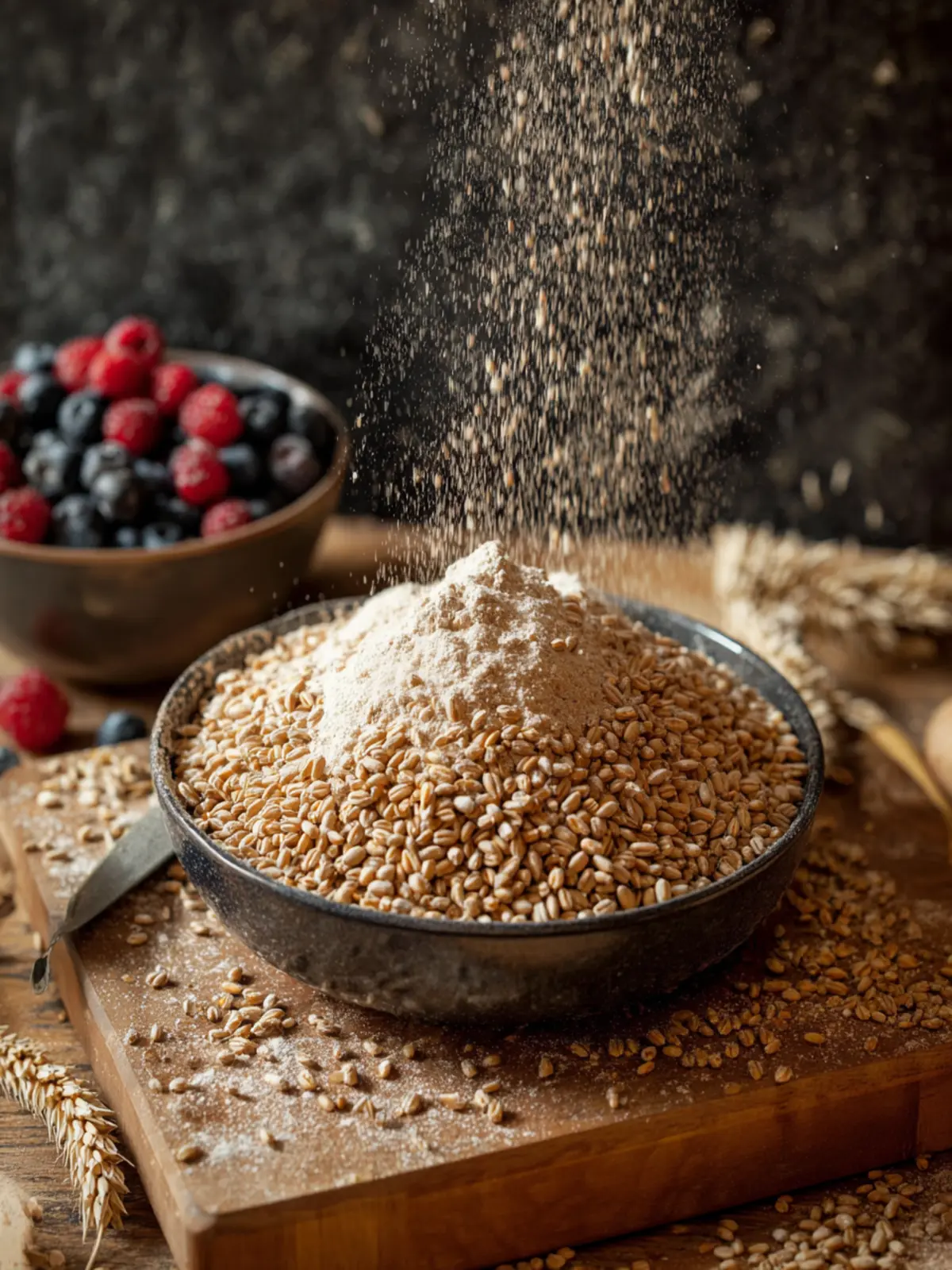
Exploring how to convert recipes to incorporate freshly milled flour opens a fascinating world of flavors in home cooking. The journey begins in the grain mill, where the fresh scent of whole grains fills the air, igniting a passion for baking that momentarily transports you to rustic kitchens of the past. This process not only enhances the nutritional profile of your baked goods but also brings a delightful depth of flavor that store-bought flour simply can’t match.
The allure of freshly milled flour in home cooking is undeniable. With each batch, you’re not just transforming your ingredients; you’re embracing a lifestyle that celebrates whole, unprocessed foods. Unlike conventional flour, which is often stripped of vital nutrients, freshly milled flour retains its bran, germ, and endosperm, ensuring that you’re infusing your bakes with all the essential vitamins, minerals, and fiber. Imagine your favorite recipes thriving on this wholesome ingredient, imparting a unique flavor and texture that elevates even the simplest of treats.
As you explore this delightful method, here are some key elements to consider:
- Flavor: Freshly milled flour brings a nutty, earthy taste that adds character to your baked goods.
- Hydration: This flour absorbs more water than all-purpose flour, which may require adjustments in your recipe’s liquid content.
- Protein content: Different grains have varying protein levels, which affects gluten formation. Be prepared to experiment with ratios based on your flour choice.
Diving into the realm of freshly milled flour means embracing a bit of trial and error. Don’t be afraid to adjust your old favorites—whether it’s a comforting loaf of bread or that go-to cookie recipe. Each conversion will teach you something new, while simultaneously bringing you closer to the heart of your cooking.
So grab your grain mill and let’s get started on this exciting adventure of transforming beloved recipes into something that’s not just delicious, but also deeply nourishing!
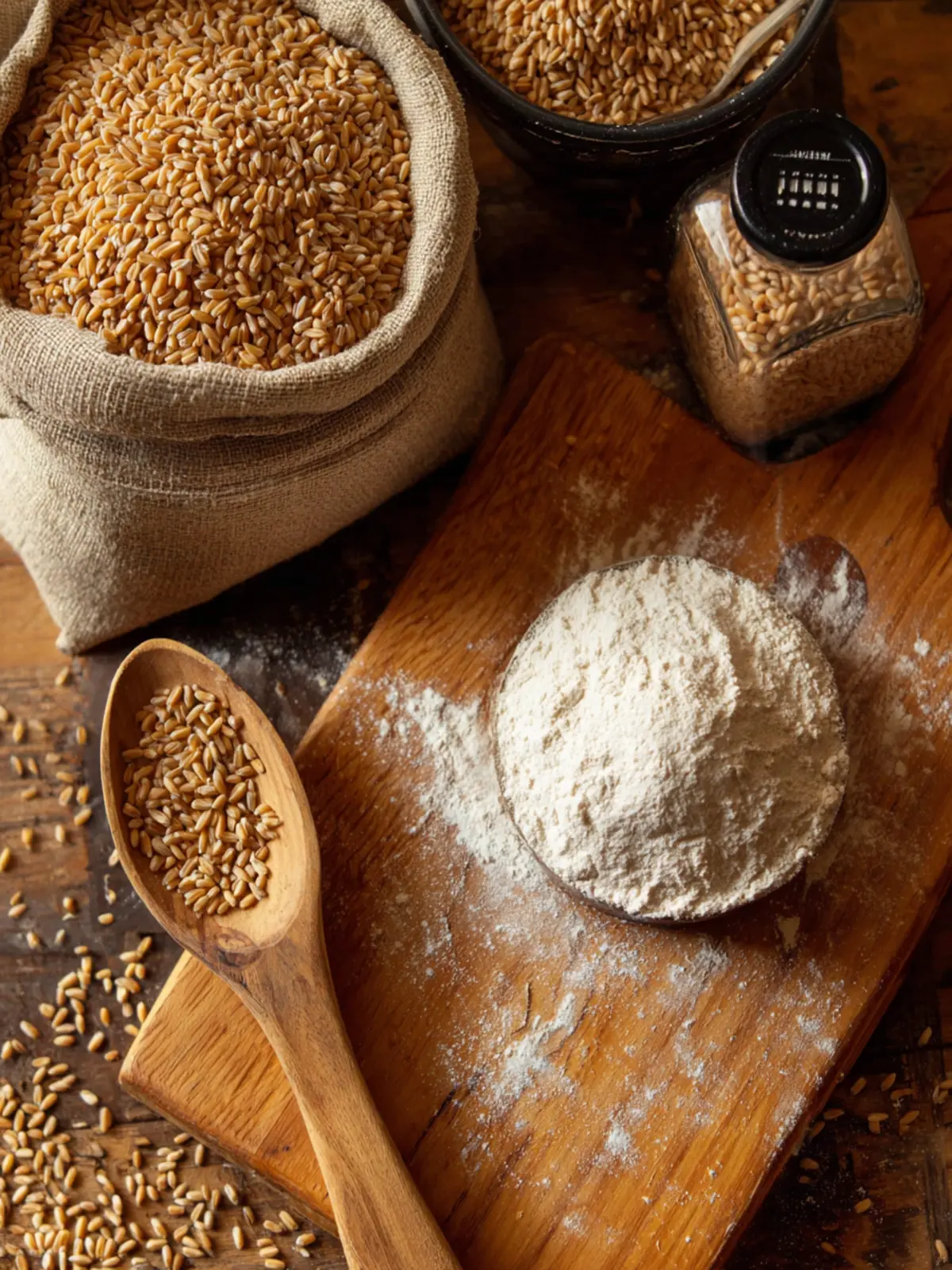
Key Ingredients for Converting Recipes to Freshly Milled Flour
When it comes to how to convert recipes for your favorite baked goods, switching to freshly milled flour can make a world of difference. This approach opens up a whole new level of flavor and nutrition. Here’s a breakdown of essential ingredients to keep in mind!
-
Freshly Milled Flour: Start with high-quality grains like hard red wheat or spelt. Freshly milled flour contains more nutrients and flavor compared to store-bought varieties, so adjust your measurements to about 20% less than what the original recipe calls for, as fresh flour absorbs moisture differently.
-
Liquid: Freshly milled flour might require a bit more hydration. Increase your liquid by 1 to 3 tablespoons. This ensures your dough or batter remains moist and doesn’t dry out.
-
Leavening Agents: Since you want the best rise and texture, consider sifting your baking powder or baking soda before using. This will help eliminate clumps and create a consistent result.
-
Sweeteners and Fats: You can maintain the same amounts of sugar and fat, but feel free to experiment with natural sweeteners like honey or maple syrup for a unique twist!
By paying careful attention to these key components, you’re set up for success in your freshly milled flour baking adventure!
Why You’ll Love This Recipe Conversion
Understanding how to convert recipes into something truly special can be a game-changer in the kitchen. Imagine being able to transform your favorite baked goods using freshly milled flour. Not only does this elevate the flavors, but it also enhances the nutritional profile of your dishes. I’ve discovered that freshly milled flour has a unique texture and taste that can’t be matched by standard store-bought varieties—think of it as upgrading your favorite song from a low-quality stream to a high-fidelity record.
Unlock New Flavors
Using freshly milled flour opens up a whole new world of flavors. Each type of grain you mill—be it wheat, spelt, or rye—brings its own distinct character to the dish. You might find that your beloved chocolate chip cookies taste even richer and more complex.
Nutritional Boost
Another reason you’ll love this conversion is the health benefits. Freshly milled flour retains more nutrients compared to processed options, giving you fiber and essential vitamins you may be missing. It’s a simple shift that can make your meals more wholesome.
Manual Satisfaction
There’s also something immensely rewarding about milling your own flour. The connection to your ingredients makes each recipe feel more intentional. So grab your grain mill and embrace the culinary adventure ahead!
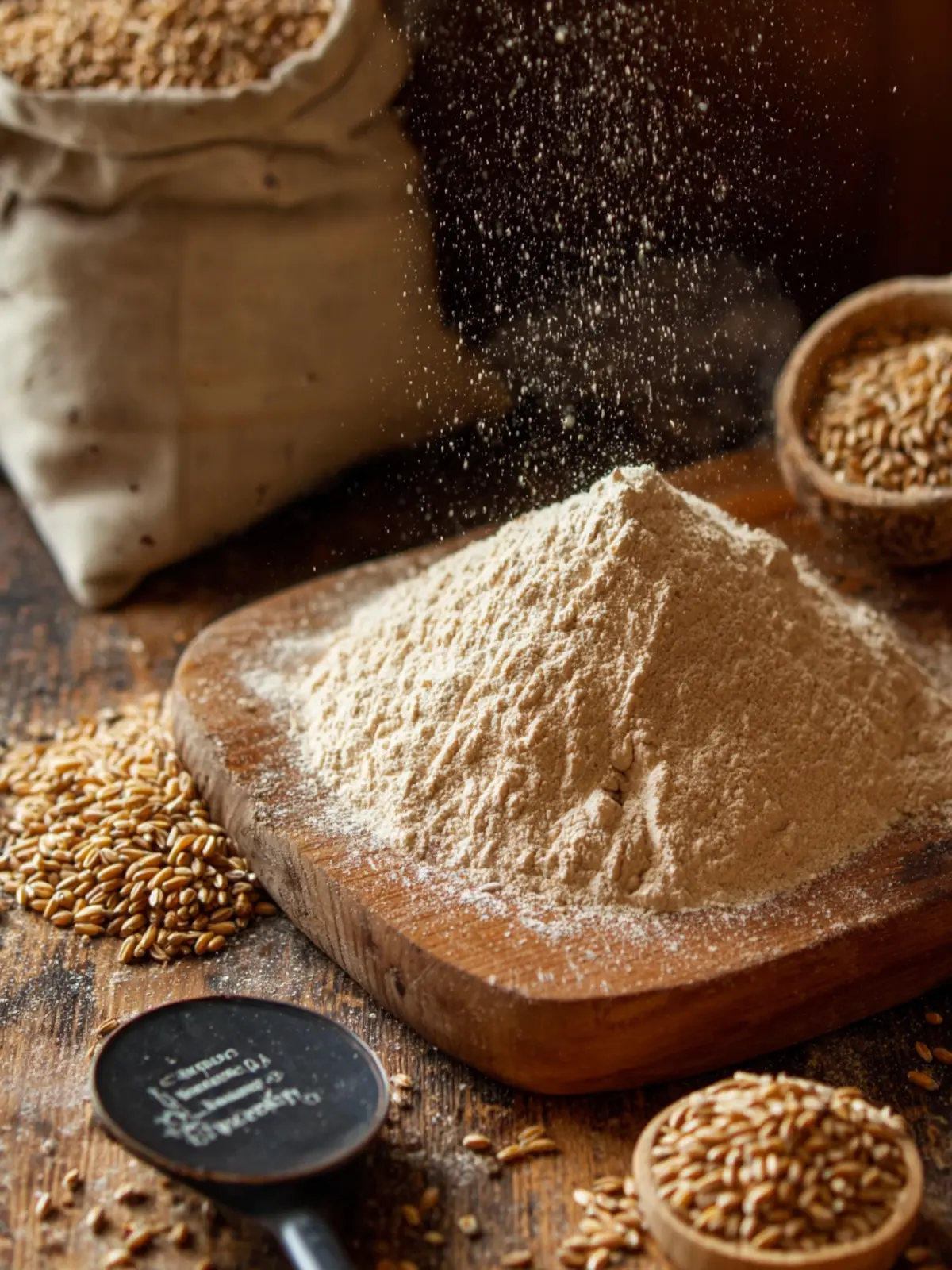
Tips for Converting Recipes
Transforming recipes to use freshly milled flour can be an exhilarating journey in your baking adventures. It’s like discovering hidden treasures in familiar places. Here are some tips that I’ve found helpful in making this conversion seamless and delightful:
Understand the Properties of Freshly Milled Flour
Freshly milled flour has a different moisture content than all-purpose flour, which often leads to a denser texture. Adjust the liquid ingredients in your recipe, adding a little more than usually called for to ensure a fantastic outcome.
Start Small
When diving into how to convert recipes, begin with a simple one. Take a classic pancake recipe and substitute 25% of the all-purpose flour with freshly milled flour. This allows you to experience the flavors and textures without feeling overwhelmed.
Monitor Your Ratios
Generally, 1 cup of all-purpose flour can be replaced with about 3/4 cup of freshly milled flour. However, don’t hesitate to experiment! Each type of grain has its unique qualities, so being flexible can lead to wonderfully surprising results.
Flavor Boosts
Freshly milled flours often carry more flavor than their refined counterparts. This means you might want to reduce strong spices or sweeteners in your recipe. Instead, lean into the nutty, earthy flavors that freshly milled flour contributes to your dishes.
By using these insights, you can confidently embark on your journey toward healthier and more flavorful baking!
Time Details for Converting Recipes
When embarking on the journey of how to convert recipes to freshly milled flour, understanding your time commitment is crucial. Each step is a delightful part of the process, ensuring that your final outcome is as delicious as it is wholesome.
Preparation Time
Expect to spend about 15-30 minutes gathering your ingredients and prepping your kitchen. This is a great time to enjoy the aroma of your freshly milled flour!
Milling Time
Milling your flour will take approximately 10 minutes, depending on how much flour you need. The fresh scent and texture will be well worth the wait.
Total Time
In total, you should plan for about 45-60 minutes to convert your recipe and enjoy the results. It’s a rewarding experience that elevates your baking!
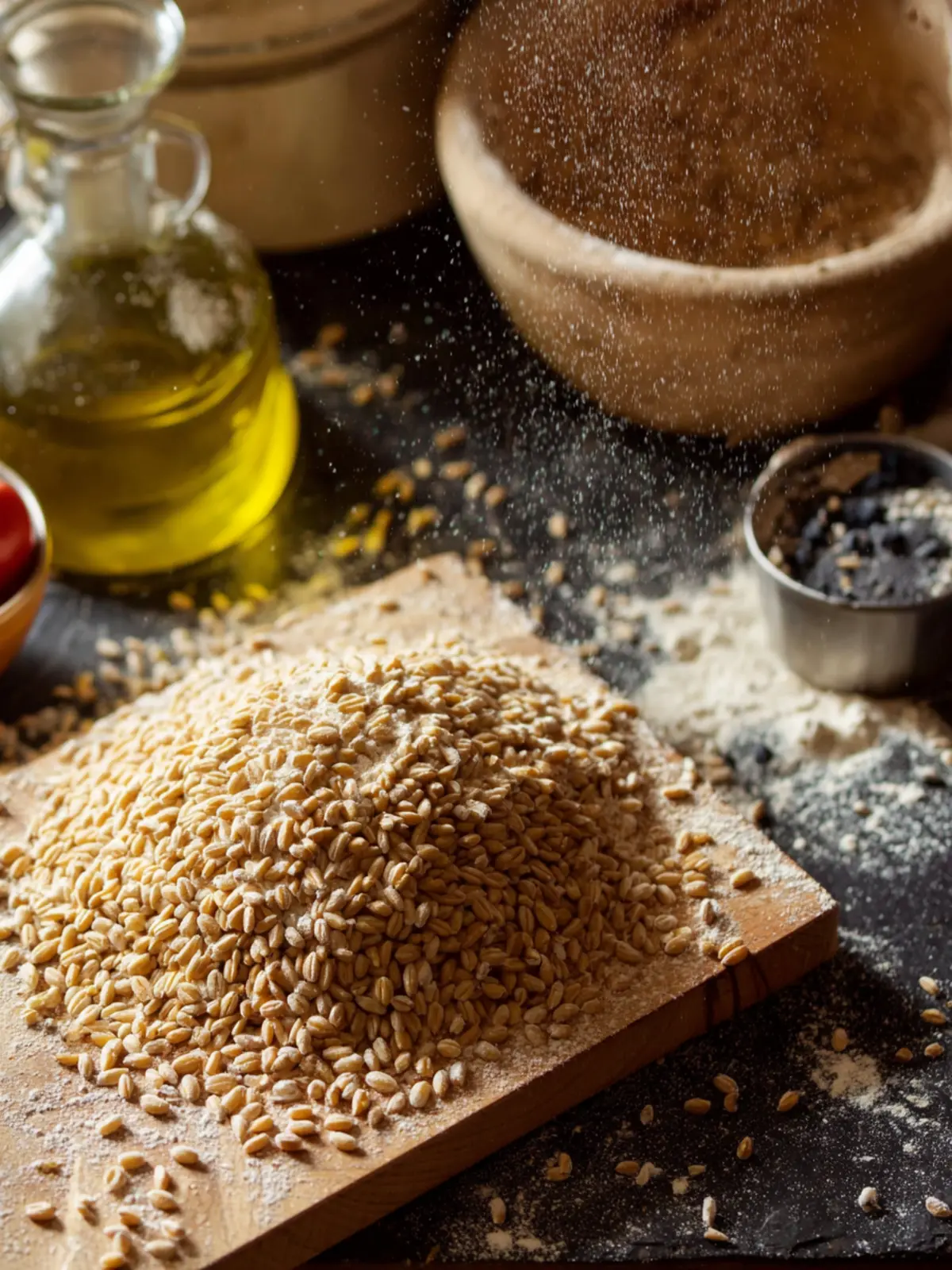
Nutritional Information for Freshly Milled Flour
When exploring how to convert recipes to freshly milled flour, understanding its nutritional benefits is essential. Freshly milled flour retains more nutrients than store-bought options, offering a wholesome alternative for your baking endeavors. Here’s a breakdown of its key components:
Calories
A 100-gram serving of freshly milled flour contains approximately 340 calories. This energy source can perfectly fuel your day, whether you’re whipping up a loaf of bread or a batch of cookies.
Protein
Freshly milled flour packs a protein punch with about 12 grams per 100 grams. This is crucial for muscle repair and growth, making it an ideal choice for active individuals looking to enhance their diet naturally.
Fiber
One of the standout features of freshly milled flour is its fiber content, providing around 10 grams per 100 grams. This fiber aids digestion and helps maintain a healthy gut, supporting overall wellness in a flavorful way.
Incorporating freshly milled flour into your recipes enriches both their nutritional profile and your health journey!
FAQs about Converting Recipes to Freshly Milled Flour
Navigating the world of freshly milled flour can feel like diving into uncharted waters, but don’t worry—I’m here to guide you through it! It’s incredible how this ingredient can transform your baking, enhancing flavors and texture. Let’s address some common questions that pop up when you’re learning how to convert recipes to this nutritious option.
Can I substitute conventional flour with freshly milled flour?
Absolutely! Freshly milled flour can generally replace all-purpose flour in most recipes. However, because freshly milled flour retains more moisture, you might need to make a few adjustments. Start by substituting about 75-100% of the amount of conventional flour with freshly milled flour. If the batter feels too thick, add a bit more liquid to balance it out.
What grains can be milled into flour?
The beauty of milling at home is the variety of grains you can use! Here are some popular choices:
- Wheat (hard and soft varieties for different baking needs)
- Rye (excellent for hearty breads)
- Spelt (adds a nutty flavor)
- Oats (great for gluten-free options when using certified gluten-free oats)
- Quinoa (for a protein boost)
Each grain contributes its unique taste and nutrition profile, so experiment to find your favorites!
How do I adjust liquid in my recipes for freshly milled flour?
Understanding how to convert recipes is all about ratios. Since freshly milled flour can absorb more moisture, start by adding an extra 10-15% of the liquid called for in the recipe. This might mean increasing your liquid ingredients slightly to achieve the desired batter consistency. Keep an eye on the texture—continue to adjust until it feels just right. Remember, practice makes perfect!
Conclusion on Converting Recipes to Freshly Milled Flour
Embracing freshly milled flour can open up a world of culinary possibilities, enriching both flavor and nutrition in your baked goods. As you experiment with how to convert recipes, remember that the key is to adjust not just the quantities but also the techniques used in your original recipes.
- Use a slightly lower amount of freshly milled flour compared to all-purpose flour.
- Pay attention to hydration; you might need more liquid due to the flour’s absorbency.
- Give your dough the time it needs to develop, as fresh flour can enhance flavor complexity.
With practice, you’ll find that freshly milled flour can transform your kitchen adventures into delightful experiences. Happy baking!
Print
All-Purpose Flour Conversion Chart
Description
This chart provides conversions for all-purpose flour from cups to grams.
Ingredients
Scale
- 1/4 cup all-purpose flour = 40 grams of freshly milled flour
- 1/3 cup all-purpose flour = 50 grams of freshly milled flour
- 1/2 cup all-purpose flour = 85 grams of freshly milled flour
- 2/3 cup all-purpose flour = 100 grams of freshly milled flour
- 3/4 cup all-purpose flour = 115 grams of freshly milled flour
- 1 cup all-purpose flour = 155 grams of freshly milled flour
- 1 1/4 cups all-purpose flour = 190 grams of freshly milled flour
- 1 1/2 cups all-purpose flour = 235 grams of freshly milled flour
- 2 cups all-purpose flour = 310 grams of freshly milled flour
- 3 cups all-purpose flour = 458 grams of freshly milled flour
Instructions
- Weigh the grain using a kitchen scale to the amount of grams needed.
- Mill in a grain mill and use in your favorite recipes!
- Print and keep this conversion chart in your cupboard for quick reference.
Notes
- This chart helps ensure accurate measurements for your baking needs.
- Category: Baking